







Listening or reading a story can be a hassle. Perfectly settling in the most optimal spot (by the fireplace snuggled within a warm blanket) can be challenging to find time for nowadays. On top of that, technology and social media detracts from the appeal of story listening; our attention spans have become so low that we can’t read at least 10 pages without a break.
But what if I told you that the media has actually helped stories expand across multiple audiences?
With the rapid transformation of digital media, storytelling has flourished into different forms. Traditionally, we think of stories as written or orally spoken. However, we are missing a vital part in the power and impact of how to tell stories; the delivery, message, and audience have become a main factor in the different forms of storytelling as we change.
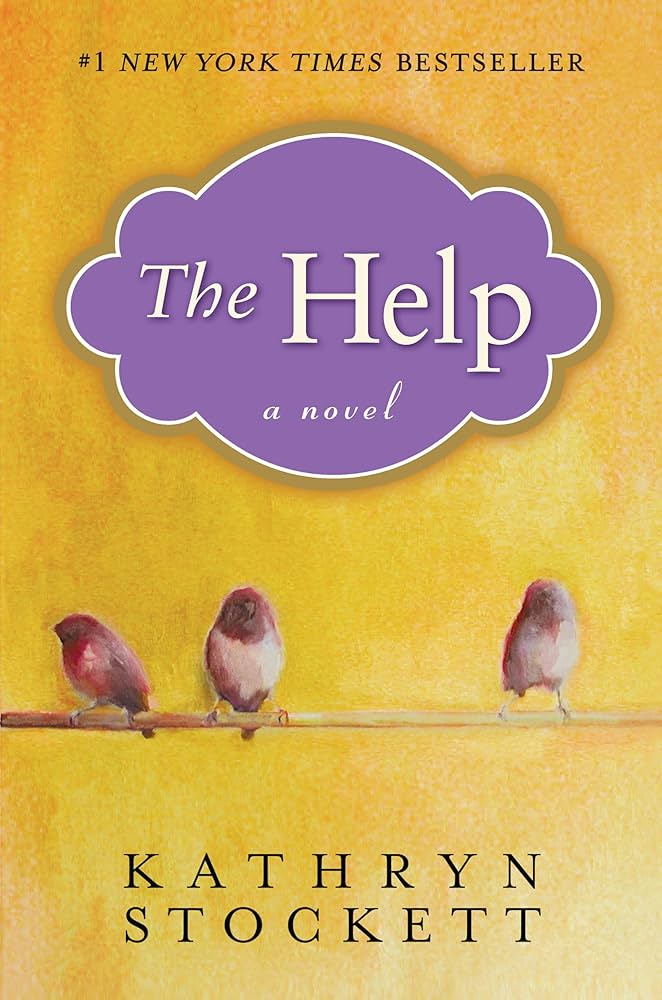
The most familiar form prior to media has always been physical copies. Mainly accessible in public libraries and schools, a variety of books are there in written form. While physical copies are more tedious when you’re on-the-go or require undivided attention, they hold sentimental value and connection with the reader. Reading and holding a book provides tangibility, providing a sensory feel and experience just from flipping through its pages. Once we finish a book or work, we grow to feel attached to it and a sense of ownership and nostalgia from feelings associated with that copy.
In addition to media, physical copies and books have been able to become even more accessible. Digital copies like e-books and apps such as Kindle expand stories to a whole new level. They can travel across many different audiences and places as well. For instance, after downloading the Kindle App, I can read wherever my phone is; all I have to do is open the app and select the book I chose from the digital library.
Even more conveniently, audiobooks and podcasts are trending as a versatile form of storytelling. Apps like Audible and Libby have access to a diverse range of narratives and books to listen to. Similarly, podcasting can convey themes and messages through different approaches in a story’s structure. Both forms of spoken tradition have taken on a new look as they become not only more accessible but also unique in the art of telling a story.
The bottom line is that we are adapting stories into a vast and ever-changing world. There is this idea that storytelling is losing its value, but in reality, storytelling is becoming more abstract. The change in literacy is this: it is moving from traditional to digital to multimodal to media. And as we keep evolving, so do our literacy habits.